

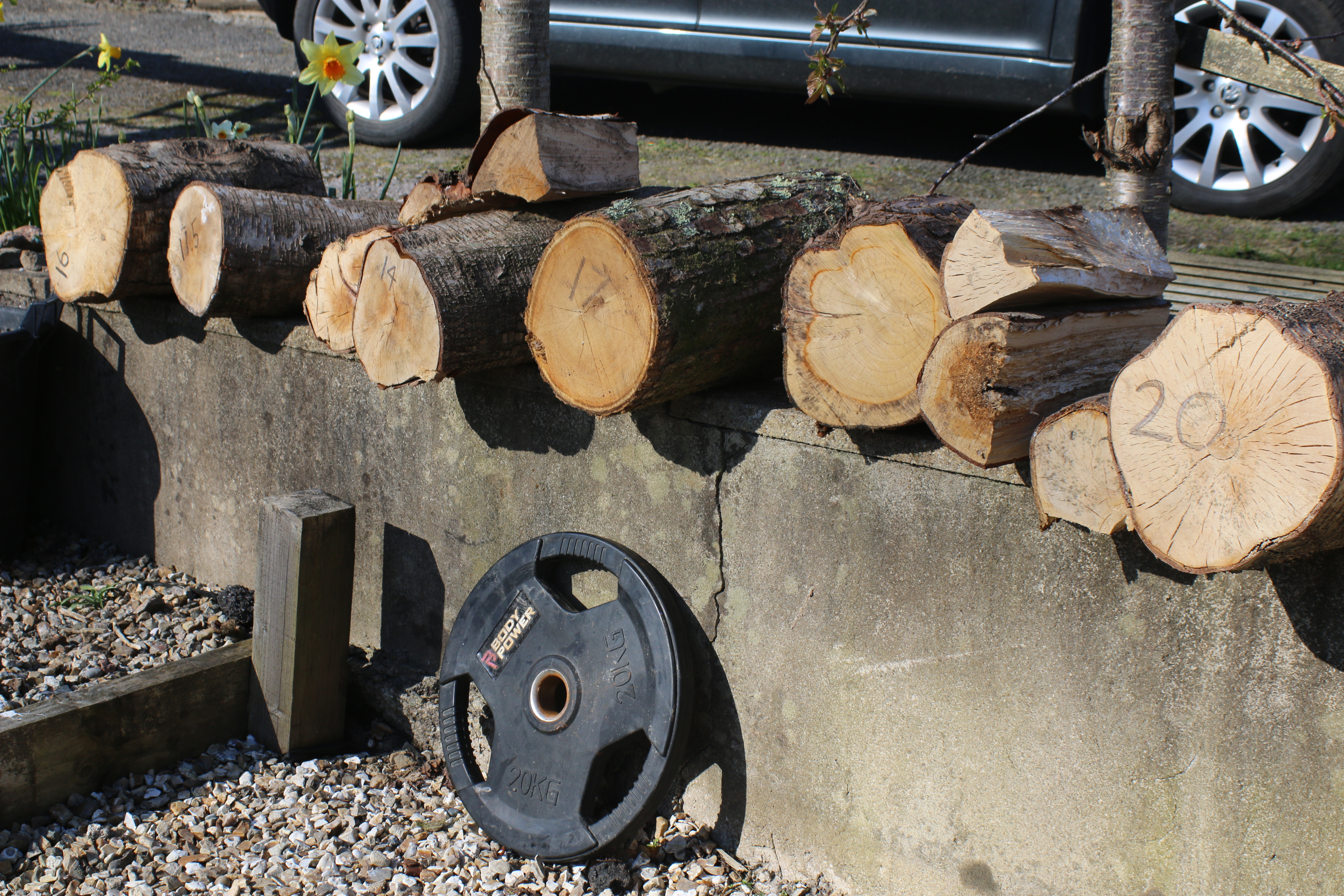
Gaining and maintaining strength and muscle mass as an older man.
In my previous post in this series ‘Rucking in Zone 2′ I wrote about how and why I have radically changed my attitude towards ‘cardio’ exercise and that my daily routine now includes at least one hill hike and usually a rucking session as well. The other side of fitness for older age that i’m having to deal with at age 65 is strength because that possibly has as great or greater an impact on the problems of ageing than ‘cardio’ fitness does ; the kind of thing that i’m thinking of here in terms of prevention are things such as ‘simple’ falls.
In my younger life I can’t say that I was ever that enthusiastic about ‘cardio’ exercise, which at the time I would have defined as running – but what I was surprisingly good at and consistent with was going for a walk. Given that I usually lived in hilly or ‘lumpy’ bits of scenery and spent big chunks of time humping heavy loads over big hills I did accidentally spend a lot of time inadvertently doing Zone 2 cardio work…..I just didn’t know that I was doing it.
In my fifties, for really the first time in my life, I suddenly took to free weights training after a minor walking accident in which I tore a gastrocnemus muscle (calf muscle) badly and needed initially rehab training in a pool and then balance and stability training to re stabilize a ‘floppy’ ankle. For two years I was a gym going regular until work problems got in the way. Although I miss those gym days and the way it made me feel it wasn’t that sustainable in the way that I was doing it because doing a gym session could easily take 3 or 4 hours out of a day, what with getting there, doing a workout and then having a swim and after all that getting home again. Sadly it wouldn’t work now because that gym is 20 miles and 2 bus rides away and there’s almost no way that I could make that work alongside my current life as a backyard boatbuilder without personal transport.
My problem right now is that I am at a critical age when I must exercise and a big part of that has to be strength (and stability) training because this is the time in my life when loss of muscle strength and ultimately muscle mass, is really beginning to bite. I know the facts and the physiology here – that men start to lose muscle mass in their twenties onwards at about 1% per year. It’s probably a lot easier to gain muscle and ultimate strength through our 40’s and even 50’s (I did) but little is known about training for strength in our 7th decade.
Training for old farts (seniors then) like me isn’t exactly a hot subject among the gym-bro brigade but it might just be THE most important subject for older men to get to grips with and the sad fact is that there’s not much out there to help us so anyone who does this kind-of has to go alone. Even worse I once had an occupational health department physiotherapist who said that ‘at my age’ (55 then) that I shouldn’t be doing free weights at all because they were ‘unsafe’ – what a totally crap attitude and stunningly ignorant for a so called health professional !.
The few studies which seem useful and to which Dr Attia refers to in his book Outlive concern the interesting problem of age related muscle decline – ultimately sarcopaenia, and it’s management or prevention with resistance exercise and an increased protein intake. The numbers he is quoting for protein intake are at least double that of the RDA (Recommended daily allowance) and that does seem to have the effect of halting muscle wastage in an older population. My two Attia takeaways are to launch back into free weights training for several sessions a week and to hugely increase my protein intake. This week, for example, Iv’e been starting my day (after exercise) with a couple of eggs and bacon and then after a second exercise session having a ‘dose’ of whey protein and then some chicken to chew on while I get down to writing.
Something iv’e always been remiss with is to ‘track my macro’s’ but even a quick estimate done this week I was usually below RDA and way below Dr Attia’s recommended protein intake. I have to say that i’m aware that there is an opposite argument to increasing protein intake and for those who study this kind of thing it might relate to activation of the mTor pathway – which is interesting but difficult physiology even for someone , like me, who is into the subject enough to go read about it.
Why is strength important and how do we get it ?
Loss of strength due to muscle loss in later life is clearly an important factor in falls, and not taking a fall in later life, being able to recover from one or simply get up after one is a lot about strength, stability and balance which all go to together in Attia’s work. One of the most accessible arguments for this is in the interview that Dr Attia does with British Youtube presenter Chris Williams. In that interview Attia plays out the ‘game’ that he says he does with his patients – that of them telling him what things they still want to be able to do in old age and telling them in return what kind of level of muscle strength or stability each thing will take – things like being able to pick up a young child or take a dog for a walk….one that tends to pull a bit.
There is also a strange second side that strength and strength training seem to work against cognitive decline….strength really does seem to make us smarter ! but then cardio fitness may do that as well.
We know that muscle loss starts happening in our 20’s at about 1% per year so it isn’t really noticeable for years to come. What I found though is the same thing that Dr Attia found himself which is that when I started training seriously in my 50’s I just didn’t have much in the way of sprint speed or explosive power. This is entirely consistent with what is known because what is known is that we tend to lose Type 2 (fast twitch) muscle fibres first while hanging on to the Type 1 (slow twitch) fibres.
At the same time as I started with free weight training I followed a Canadian coach called Christian Thibadeau (Thibs) and his take on weight training for ‘seniors’ is that it should specifically include ‘explosive’ movements and work on muscle groups that are known to become weak and ultimately atrophy in old age – if you know what to look for the typical pattern of muscle atrophy in older men is strikingly obvious. What is less obvious to me right now is what exercise routine would work best for me as I start over with free weights training. Where I seem to be at right now is what Dr Attia calls the Dunning-Kruger ‘valley of despair’ in that I have a conscious lack of competence coupled with zero confidence about what i’m doing.
As I write it’s a wet Sunday and when it eases up i’m either going out for an easy hill hike or a harder rucking session but mainly what i’m thinking about is what to do when I hit the weights again on Monday morning. As things stand i’m only at one very basic (and quite light) free weights exercise (back squat) and either one or two bodyweight exercises (press-ups and step-ups), so this week my plan is to increase that by one free weights exercise. This week i’m most likely to add deadlift to my routine as with my long levers I was always fairly ok with that. In the future though it looks as though I need to add moves that I was never good at and which Peter Attia points at as being the valuable ones.
Anyway……sun is out so I think it’s time for a break from the keyboard.

 Dirty Wet Dog, the great adventure.